Dam Failures; Lessons from Vale Tailings Dam Failure in Brazil and Patel Dam Failure in Nakuru, Kenya.
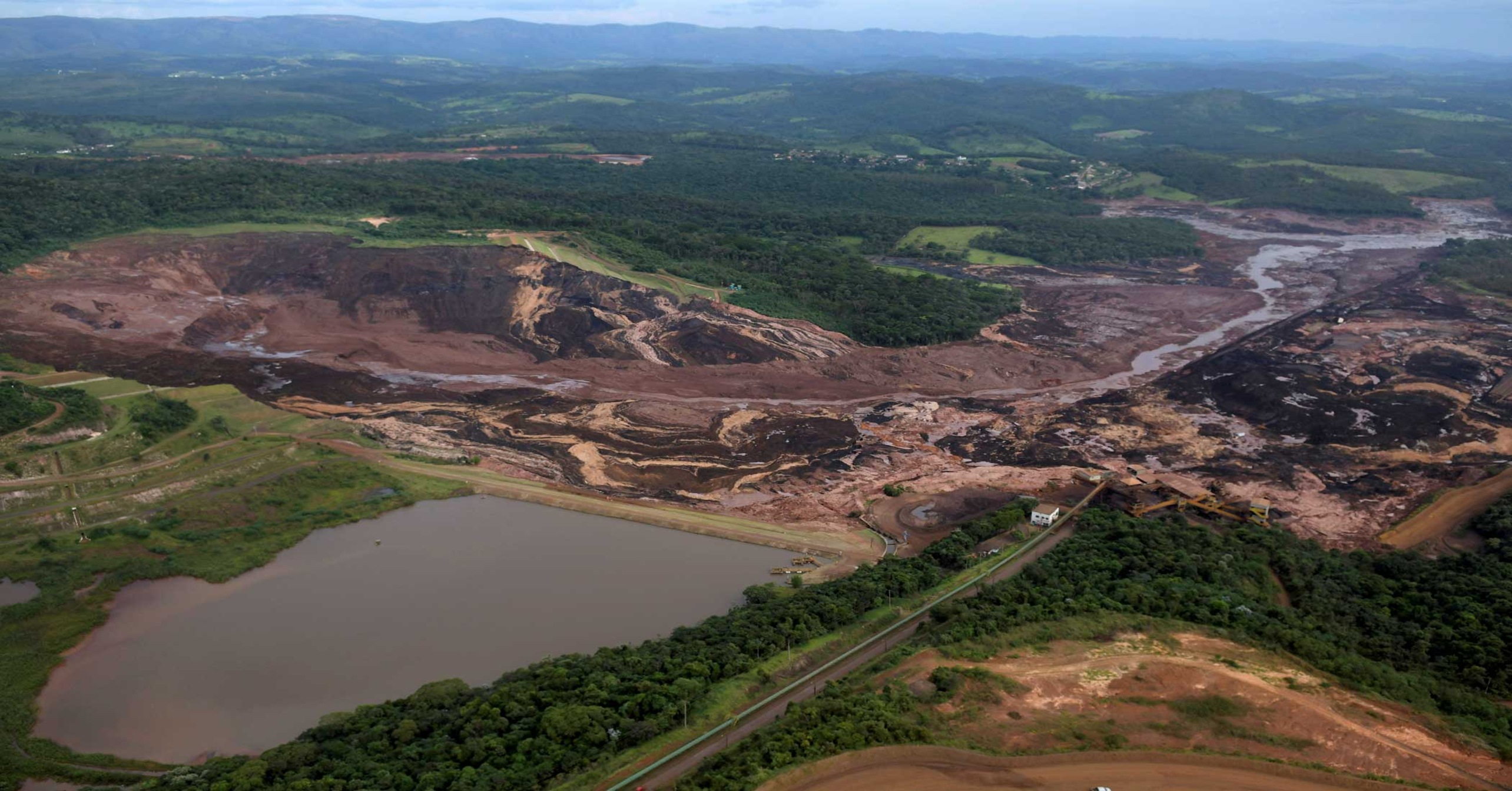
In January 2019 a tailings (mining waste) dam in Brazil owned by Vale mining company collapsed leaving over 200 people dead, thousands displaced and an environmental disaster of millions of cubic meters of toxic mudflows from iron waste. Four years earlier, another tailings dam in Brazil jointly owned by Vale and BHP Billiton failed leaving 19 fatalities, hundreds displaced and a similar environmental mess. Closer home in May 2018 an earth embankment dam in Solai, Nakuru failed leaving over 40 people dead, thousands displaced and property destroyed. Though miles apart, these disasters have similar failure triggers and lessons for owners and governments.
Construction
An ideal dam construction method pre-builds the wall and spillway before use, feasibility studies are done before designing and construction and construction/backfilling material are subjected to laboratory tests to check their construction soundness. Lastly, any expansion of existing dams should also be presided by studies. Both Patel and Vale dams were built by private companies for their businesses, though different, they employ the cheapest dam construction methods. Limited to no feasibility study is done before the construction of these kind of dams, they are therefore hardly designed to mitigate failure.

The Patel dam in Solai, Nakuru was an earth embankment dam constructed of compacted soil and rock on a river to hold water for irrigation; it is the cheapest way of storing large volumes of water. It was initially build in the 1980’s to draw less than 200,000 litres of water per day, but by the time of failure, it had 190 million litres of water. The dam wall had therefore been expanded with time to hold more water. The biggest question, therefore would be, were studies carried out to allow the expansion and why did it not have a spillway to evacuate excess water? The Vale tailings dam in Brazil like most tailings dams was built ‘on the go’ method; where the dam wall is built of tailings and designed to grow as more waste is pumped in. Construction using the on the go method is obviously less expensive than the ideal method as mining waste is used as the backfilling material.
Location of dam
Both dams were built upstream with human settlement downstream leading to the large numbers of human loss and property destruction. Even with the best failure mitigation designs and construction methods, dams are still prone to failure due to natural causes such as earthquakes. The location of the dams is therefore an important factor to consider before construction.
Signs of failure

Before Patel dam failed in 2018, there were alleged reports of cracks on the wall and seepage in 2016. No action was taken even with notification to authorities. Similar allegations of the potential risks were made on the vale tailings dam with the miner ignoring the warnings so as to obviously maintain their production levels high. Investigations on the Patel dam disaster revealed that failure was triggered by heavy rainfall, weakening of the wall over time due to lack of monitoring and maintenance made it difficult for the dam to hold additional water from the rains. The vale tailings dam burst was caused by liquefaction where solid materials used to build the wall losses strength and stiffness and behaves more like a liquid. Tailings material from the mine was therefore not sound or not in the right condition to be used for the wall backfilling. All in all continuous monitoring of the dams once they are build and through the dams life is paramount.

Photo by: Douglas Magno
Costs of failure
From both cases, the cost of the failure was exponentially higher than what a proper dam could have cost. In Vale’s case, the disaster left more than 100 people dead, hundreds missing, the disaster also caused high liability damages in the billion dollars, an environmental catastrophe from the toxic mine wastes and a torn reputation. Similarly, the Patel dam left over 40 fatalities, properties destroyed and thousands displaced. As a result several other dams in the farm have been decommissioned.
In conclusion, greed is clearly the real cause of the dam failures, private companies want to maintain high levels of production at the least possible costs overlooking other critical issues such as safety. The two tragedies should serve as a wakeup call for private sector which has often cut costs by building storage facilities at the cheapest possible ways. Government should also come-up with legistration banning upstream dams/ storage facilities, ensure feasibility and designs are submitted for approval to authorities before construction and last ensure continuous monitoring once dams have been build and owners compelled to submit monitoring data to authorities regularly.
Written by, Engineer Joseph Komu, Chairperson, Mining Engineers Society of Kenya. joseph.komu87@gmail.com.